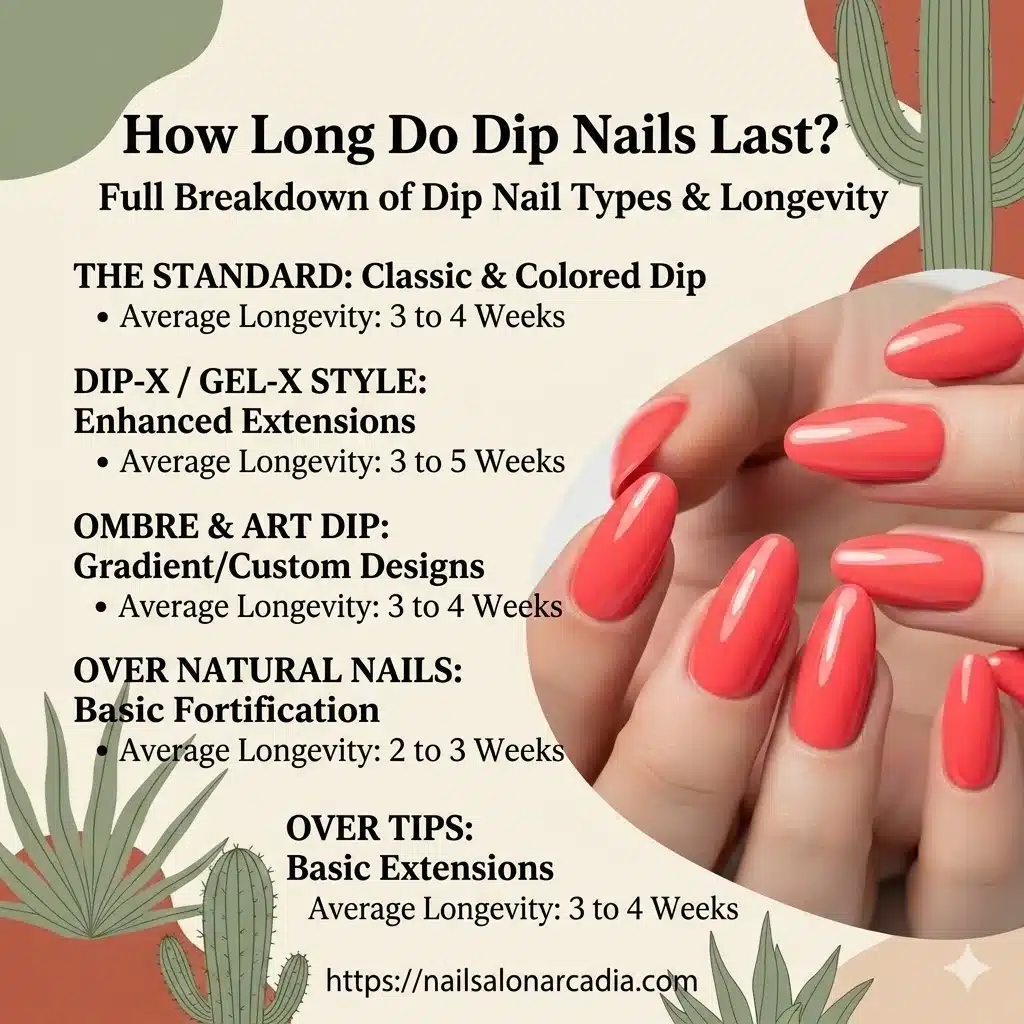
| Service Type | Est. Longevity | Est. Salon Price |
|---|---|---|
| Classic / Colored Dip | 3–4 Weeks | $40 – $55 |
| French / Ombre Dip | 3–4 Weeks | $50 – $70 |
| Dip Extensions | 2–3 Weeks | $60 – $85 |
| Clear / Builder Dip | 4 Weeks+ | $35 – $50 |
If you’re tired of your polish chipping before you’ve even left the parking lot, dip powder is likely your new best friend. It’s essentially a “diet acrylic“—tougher than gel but thinner than a full set of fake nails. But here’s the catch: not all dip manis are created equal. Depending on whether you’re adding length, glitter, or just a clear shield, your “expiration date” changes.
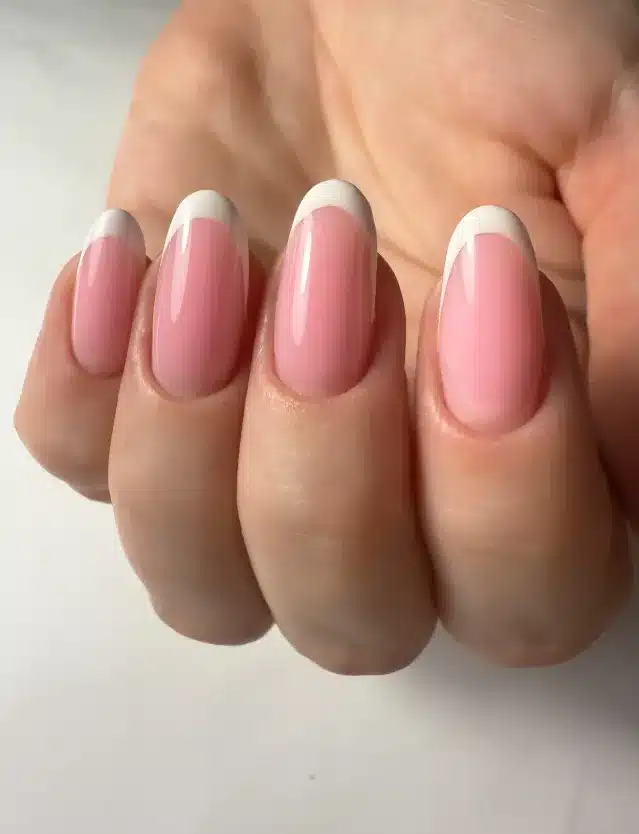
1. Classic & Colored Dip Nails (The Standard)
Average Longevity: 3 to 4 Weeks
This is your bread and butter. Most people find that the color itself doesn’t fade or chip, but the “cliff” at your cuticle becomes the real issue. By week three, the gap between the powder and your skin is noticeable.
- Pro Insight: If you pick a darker shade like navy or burgundy, the regrowth is way more obvious than a soft mauve. If you want to stretch this to a full month, go for a color that matches your lunula (the half-moon at your nail base)
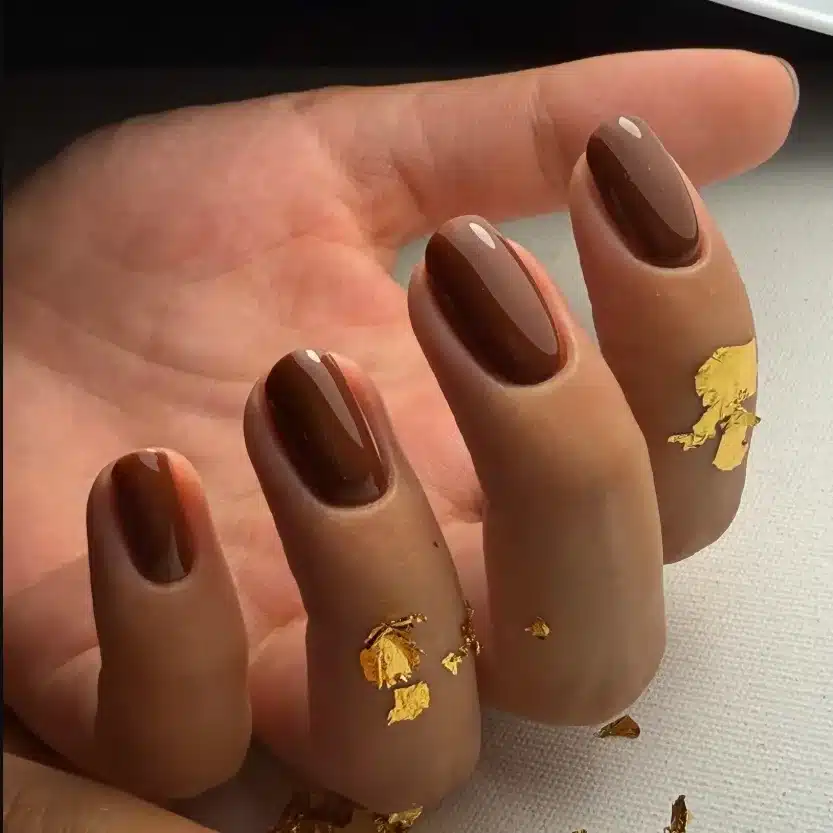
2. Clear & Natural/Nude Dip
Average Longevity: 4 Weeks+
Because these shades mimic the natural nail bed, the “grow-out” line is nearly invisible. You can often push these longer than any other type simply because they don’t look “messy” as they move up the nail.
- Real-world Example: Many frequent travelers use clear dip as a “shield” while abroad. Even if it starts to lift slightly at 30 days, it’s not an eyesore.
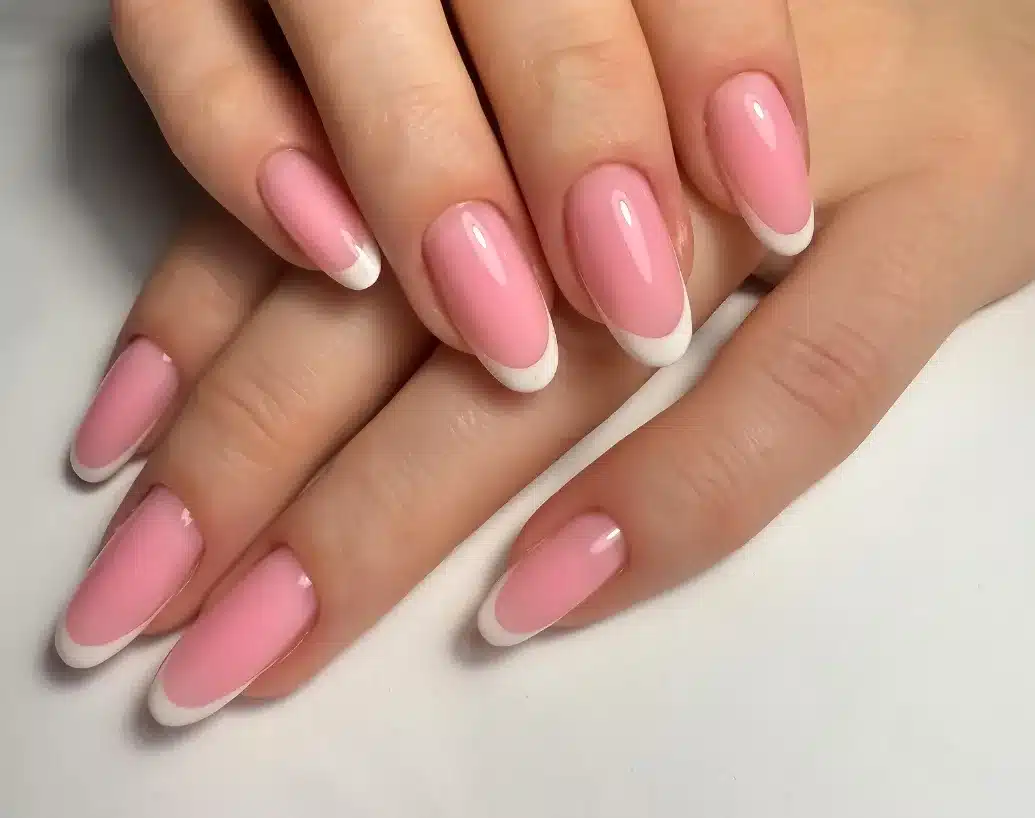
3. French & Pink & White Dip
Average Longevity: 3 Weeks
While the powder is just as strong as the classic version, French manicures are notorious for showing cracks. Because there is a physical “line” of white powder meeting the pink powder at the tip, that’s often where the structural stress occurs.
- Practical Tip: If you work a lot with your hands (typing, cleaning), the white tips can sometimes “craze” or develop tiny hairline fractures after 21 days.

4. Ombre Dip Nails
Average Longevity: 3 to 4 Weeks
Ombre is actually more durable than a standard French tip. Why? Because the colors are blended and diffused. There isn’t one sharp line of demarcation where the nail can flex and crack.
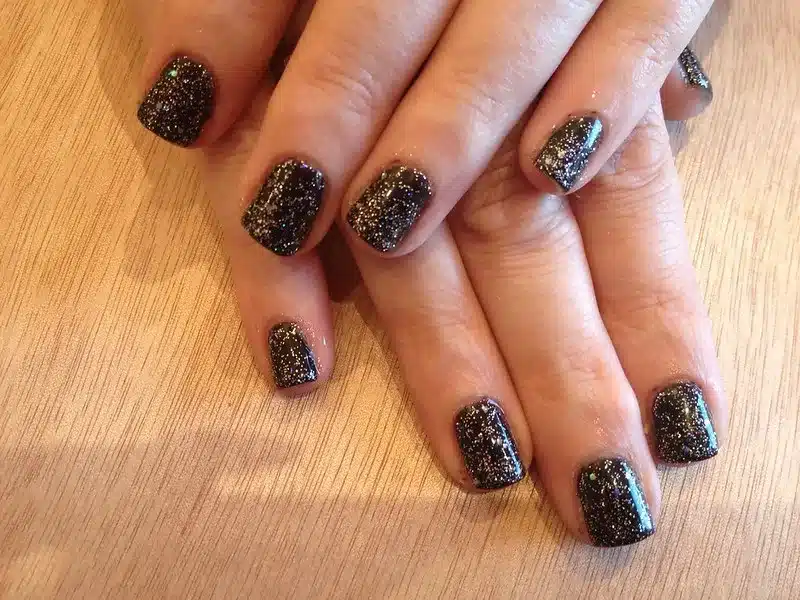
5. Glitter Dip Nails
Average Longevity: 4 Weeks
Here’s a secret: Glitter powder is actually harder to soak off because the glitter particles create a reinforced matrix within the resin. This makes them incredibly “bulletproof.”
- The Downside: They are a nightmare to remove. While they’ll stay on for a month without budging, you might spend an extra 15 minutes at the salon getting them off.
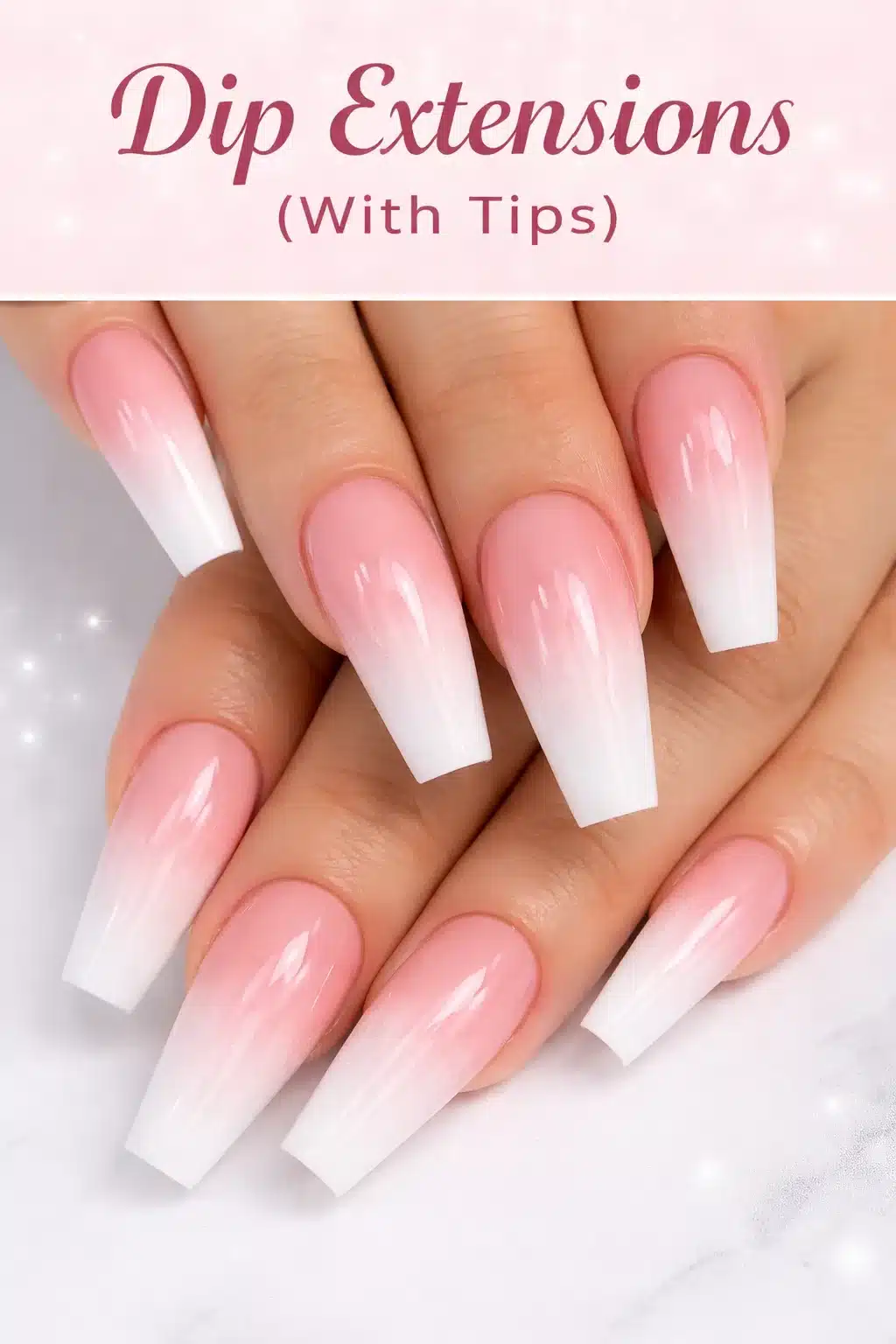
6. Dip Extensions (With Tips)
Average Longevity: 2 to 3 Weeks
Adding a plastic tip to extend your length changes the physics of the manicure. The “leverage” on the tip makes it more likely to lift or snap if you’re not careful.
- Insight: Unlike acrylics, dip powder isn’t quite as flexible. If you hit a long dip extension against a car door, it’s more likely to pop off entirely rather than just bending.
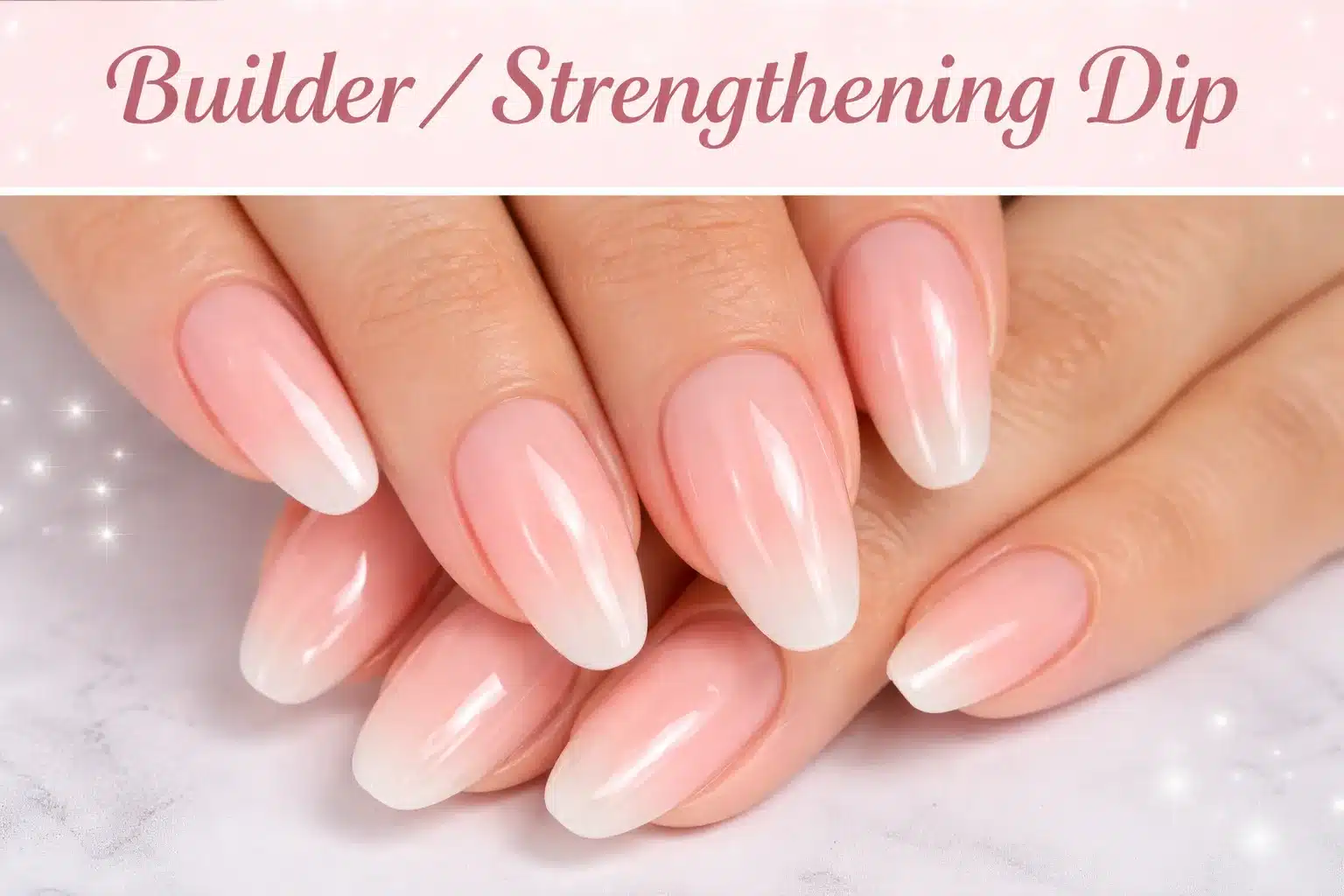
7. Builder / Strengthening Dip
Average Longevity: 4 Weeks
These systems usually involve an extra layer of “base” or “foundation” powder. It’s specifically designed for people with “bendy” nails that usually cause dip to crack. By adding that extra structural thickness, you eliminate the micro-flexing that leads to premature lifting.
Why does your dip sometimes fail early?
Most people overlook the “Seal Protect” step. If your technician doesn’t apply enough activator (the liquid that hardens the powder), the dip remains slightly soft and will peel off in one big chunk within days. Also, watch your cuticles—if the powder touches the skin during application, it will lift as soon as your nail grows even a millimeter.
If you’re seeing lifting at the edges before the 14-day mark, it’s usually an application error (oil left on the nail bed), not a flaw in the powder itself.
Can I just “fill” my dip nails like I do with acrylics?
Technically yes, but most nail techs don’t recommend it. Dip fills can look bulky or uneven, and lifting can trap bacteria underneath.
Why did my dip nails crack after only one week?
This usually happens due to thin layers or flexible natural nails. When nails bend but dip stays rigid, it causes cracks.
Does dip powder actually ruin your natural nails?
No, the powder is safe. Damage happens during improper removal, especially if you peel or pick the dip off.
Is it okay to get dip extensions every time?
Yes, but frequent extensions add stress to your nail bed. It’s best to switch to natural nail dip occasionally.
How do I stop the “dip flu”?
Dip flu is caused by fumes. Wear a mask during application or choose a well-ventilated salon to reduce symptoms.
Can I use regular nail polish over my dip?
Yes, you can apply regular polish over dip nails. Use non-acetone remover to avoid damaging the dip layer.
Why is my dip lifting at the cuticle so fast?
This happens when product touches the skin during application. Oil and movement cause the dip to lift quickly.





Leave a Reply